

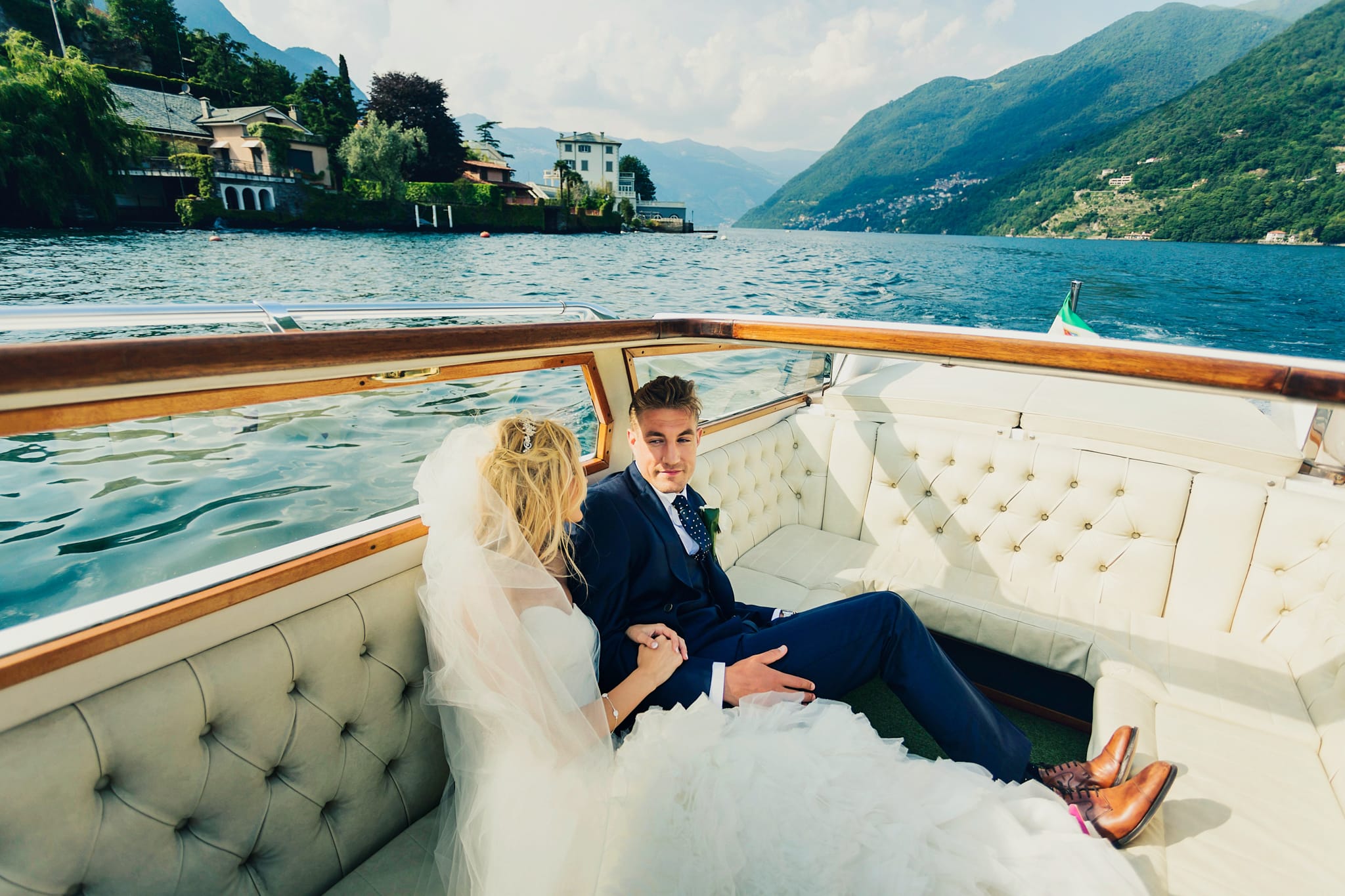
10 things nobody really tells you about planning a wedding
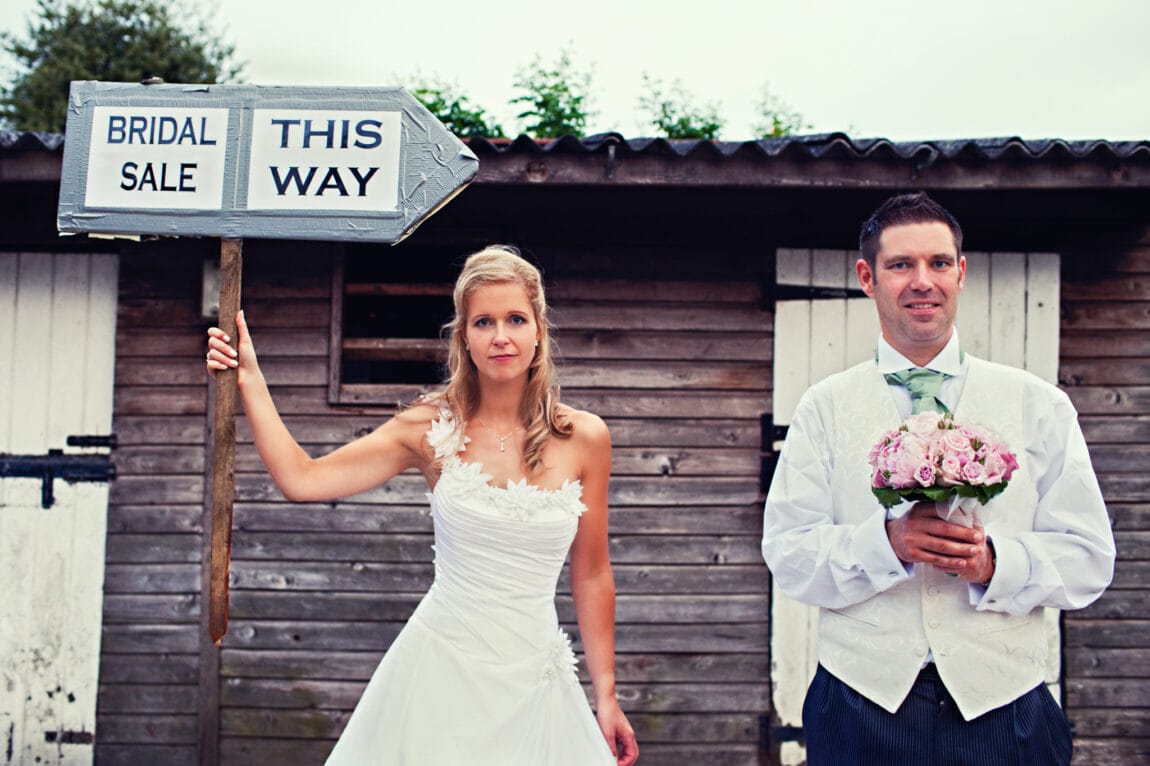
Here’s the thing about weddings: the second you get engaged, everyone becomes a wedding expert.
Your mom has opinions. Your friends have opinions. Someone you haven’t seen since CEGEP suddenly has a five-paragraph message about timelines. Pinterest is out here acting like you’ve got unlimited time, unlimited budget, and a personal assistant whose only job is to make ribbon look “effortless”.
And if you’re getting married around Montreal or elsewhere in Quebec, you get the local bonus round: bilingual everything, venues that look “15 minutes away” until you actually try to drive there on a Saturday, and at least one conversation about whether your guests can handle getting to the Laurentians without turning it into a group road-trip with three carpool spreadsheets.
I’ve photographed hundreds of weddings. The thing that surprises couples (and honestly should be more widely discussed) is that the weddings that feel the best are rarely the ones that followed every rule. They’re usually the ones where the couple made a few clear decisions early, protected their time and energy, and stopped trying to win at weddings.
So yeah, I’m not going to tell you about invitation fonts or napkin origami. These are the things that actually matter when you’re standing there in your dress or suit, heart doing that slightly unhinged thing it does before big moments.
And we’ll talk photos too, because I know it’s a big worry. You want to look good. You want the day to be captured properly. That’s normal. But your wedding isn’t a content day, and it isn’t a photoshoot. If you treat it like one, it starts feeling like work, and nobody’s paying you to be there.
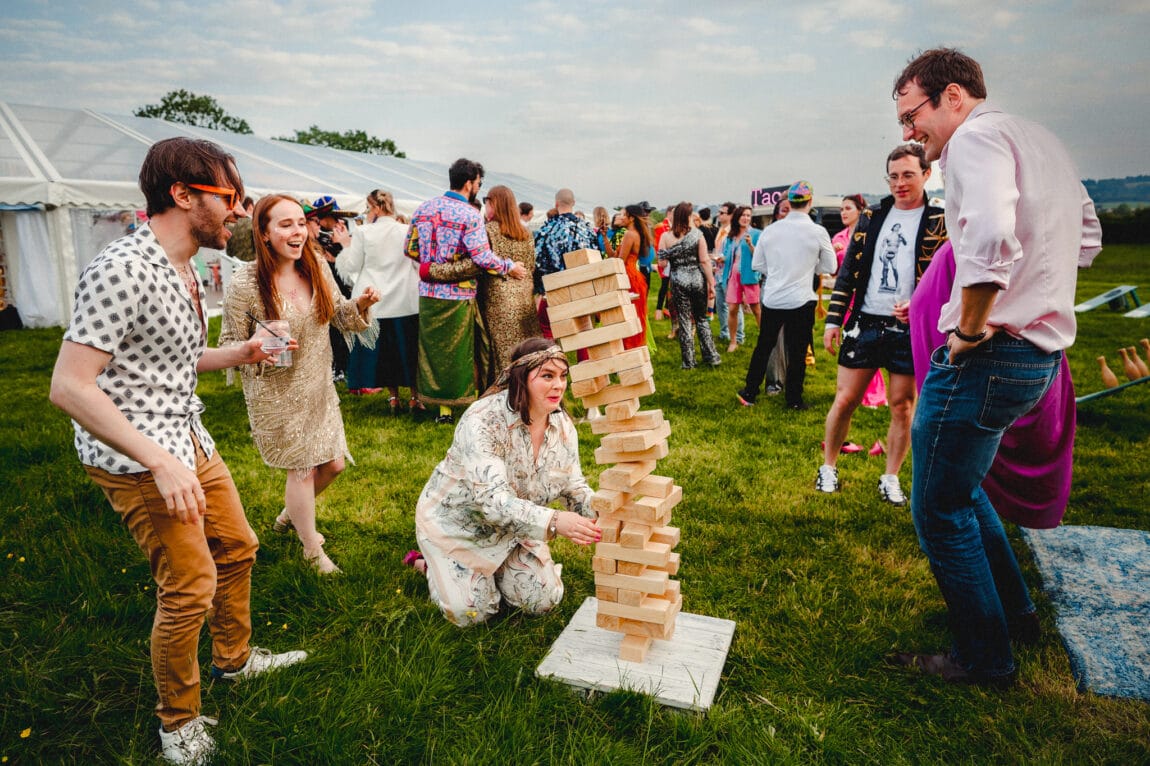
1) Figure out what you’re actually trying to create (in one sentence)
Before you decide centrepieces, menus, signage, or whether you “need” a champagne tower, stop and answer this:
What do you want this day to feel like?
Not in a poetic way. In a plain sentence you could text to a friend.
Something like:
- “We want it relaxed, lots of time with people, good food, no rushing.”
- “We want something small, outdoors, low-key, and we care more about comfort than tradition.”
- “We want a big party, a packed dance floor, and we don’t care if it’s minimalist.”
Write it down. Put it somewhere you’ll see it. Because once planning starts, you’ll get pulled in a million directions, and this sentence is how you pull yourself back.
Every decision you make either supports that goal, or it doesn’t. If it doesn’t, you simplify it, delegate it, or let it go.
And if you’ve got family pressure (you will), this gives you a calmer way to hold your ground. You don’t have to argue every detail. You’re just building the thing you said you were building.
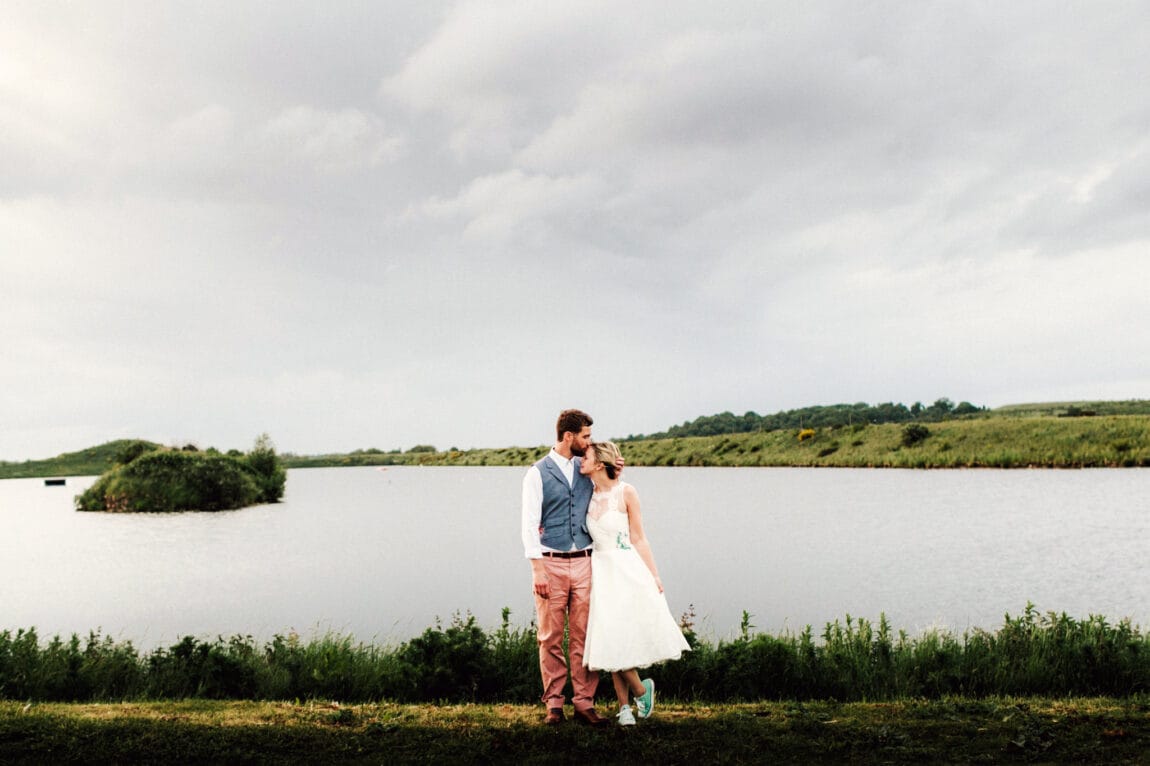
2) Pick one or two real priorities, then spend like you mean it
Most couples try to make everything “nice”.
That’s how you end up overspending and still feeling like you’re behind.
A better approach is to choose the one or two things that will genuinely change your experience of the day and put your money and attention there. The rest gets the “perfectly fine” version.
Priorities that actually make a difference:
- Food people enjoy (and enough of it)
- Music that fits your crowd
- A photographer you fully trust (this is peace of mind as much as photos)
- A venue that makes logistics easier instead of harder
- Comfort: shoes you can survive in, a weather plan, enough seating, enough time
If you care about the dance floor, spend there and don’t stress if your invitations are simple. If you care about an amazing meal, spend there and stop pretending you care about charger plates.
You can’t max out every category. Trying to is how planning becomes miserable.
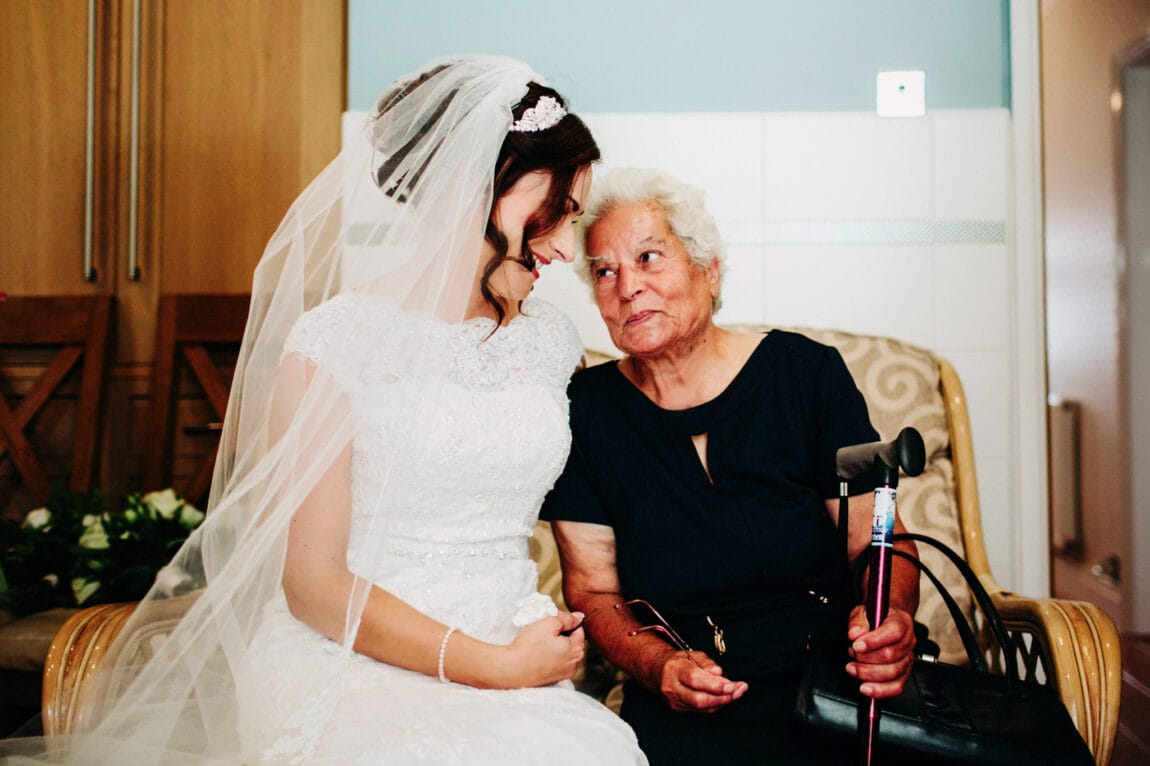
3) Make a solid timeline, but don’t schedule your wedding like it’s a connecting flight
I’ve said this for years: planning is what lets you relax.
A good timeline gives you:
- a blueprint for how the day flows
- clarity on who’s doing what
- fewer “wait, what’s next?” moments
- less time spent managing the day yourselves
But the mistake couples make is planning it down to the minute, then acting shocked when human beings behave like human beings.
Hair and makeup runs late. Someone forgets something. A family member disappears right when it’s time for photos. A speech goes long. Your Uber gets lost. Montreal traffic does what it always does.
If your timeline has no breathing room, every tiny delay starts to feel like a crisis.
Build in buffers on purpose. Not because you’re disorganised, but because you’re realistic.
- 15 minutes after hair/makeup
- 10 minutes before the ceremony
- a little cushion between ceremony and photos
- actual time to move between places (especially in older venues with stairs, tight hallways, multiple rooms)
Those “extra” minutes are often what keeps the whole day feeling calm.
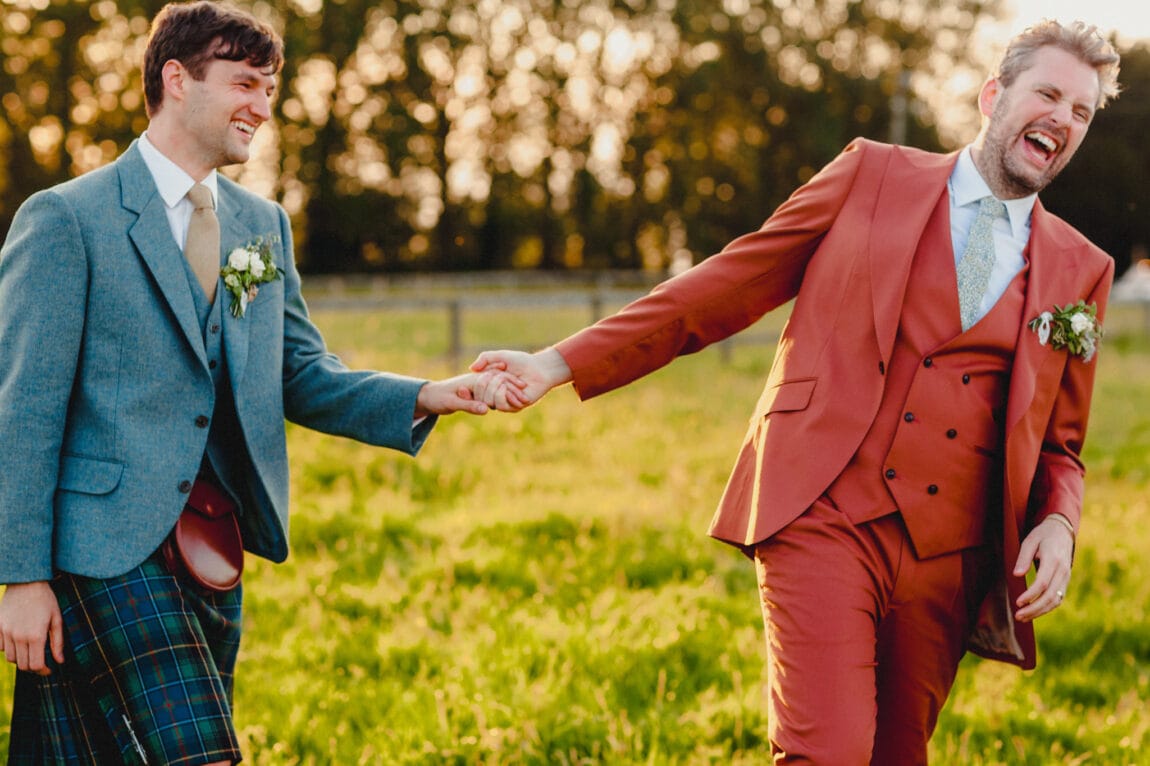
4) Getting ready isn’t filler. It sets the tone
A lot of couples treat the morning like something to power through so they can get to the “real wedding”.
But the getting-ready part is often where the day starts to feel real. It’s also where stress can quietly build if the environment is chaotic.
If you want that part to feel good (and look good), a few things help:
- a space with good natural light and enough room to move
- fewer people in the room, fewer opinions, fewer distractions
- actual food, not just coffee and a pastry that disappears immediately
- someone else in charge of details (rings, invitation suite, perfume, vow books, whatever you want photographed)
This is also where nervous energy shows up. And it’s normal. People try to act calm and “chill bride/groom” their way through it, but your body knows what’s coming.
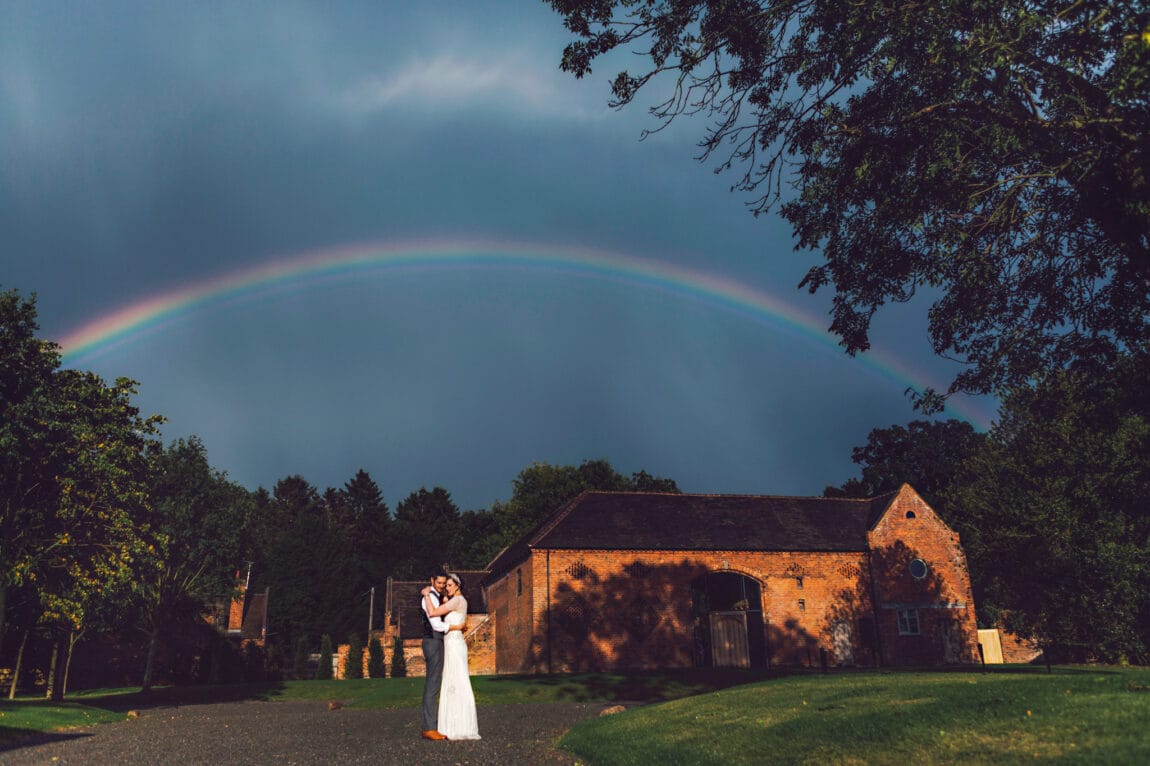
5) Your photos improve massively when you trust the person taking them
Everyone wants great photos. That part makes sense. They’re what you keep.
But the biggest factor isn’t whether you found the perfect pose on Instagram. It’s whether you feel confident and safe with your photographer.
When couples trust their photographer, they relax. They move differently. Their faces look different. They stop scanning the room for “am I doing this right?” and start paying attention to each other and the people around them.
If you want your photo experience to feel easy, focus on these:
- hire someone whose work you already genuinely like
- tell them what matters to you (family dynamics, insecurities, what you want captured)
- then let them do their job
If you hire someone and then try to steer the entire day with a 90-photo Pinterest board, you’re basically adding a part-time project manager role to your wedding day. You don’t want that.
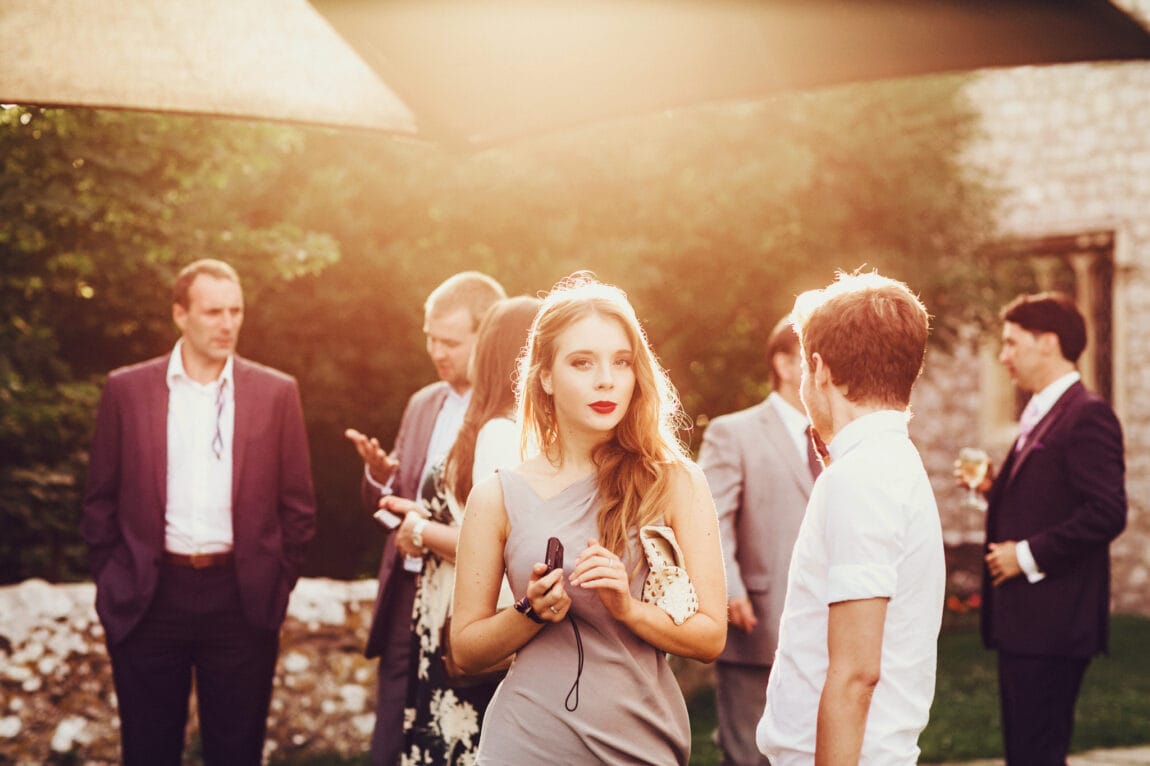
6) Give yourselves permission to ignore the camera sometimes
There’s a modern pressure that wasn’t as intense ten years ago: couples feel watched all day.
Guests’ phones, social media, “content”, the idea that every moment should look a certain way, the weird performance layer that creeps in when you know you’re being documented.
If you want candid photos that feel real, you have to actually do real things. Talk to people. Hug them. Laugh. Drink water and also, if you’re into it, drink something that isn’t water. Be slightly messy. Be yourselves.
Yes, there are structured parts:
- portraits
- family formals
- maybe wedding party photos
- some direction during ceremony and key moments
Outside of that, I want you living your day.
And if you’re thinking, “But I’m awkward in front of the camera,” welcome to the club. Most people are. A good photographer will guide you when you need it and fade into the background when you don’t.
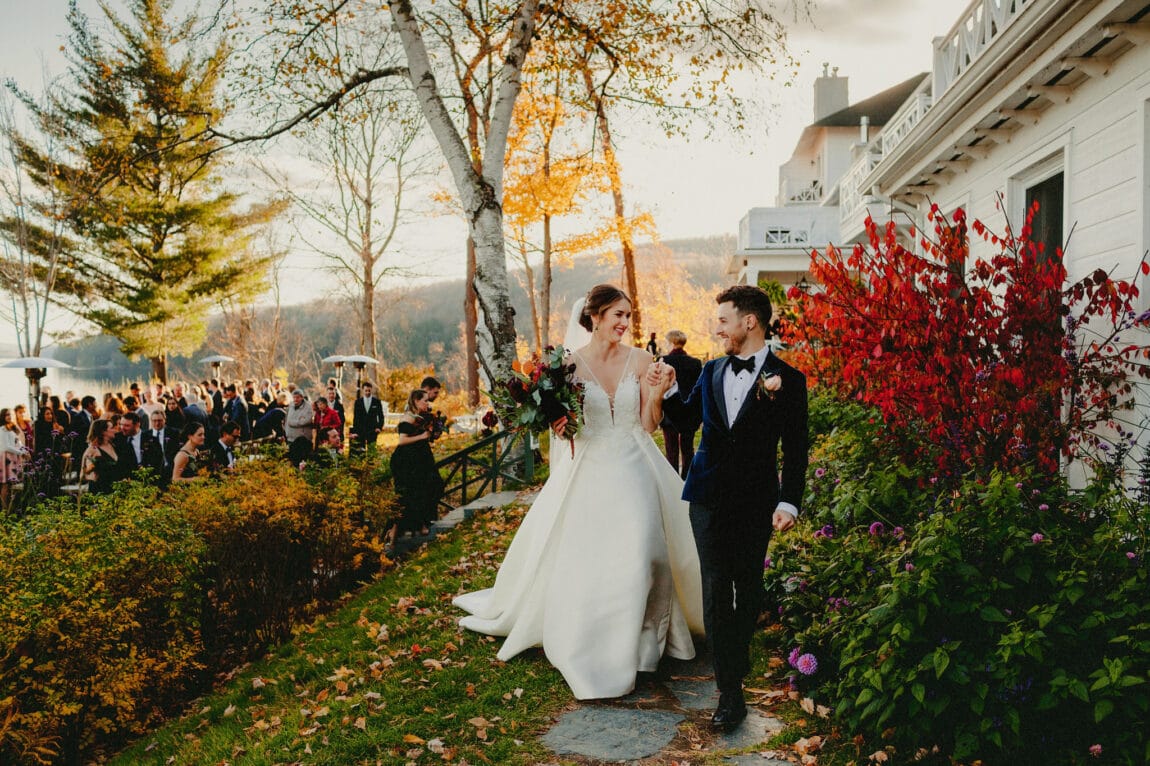
7) Stop comparing your wedding to the internet. It’s not helping
This is one of those things everyone knows, and yet it still wrecks people.
The internet is curated. Styled shoots exist. Big budgets exist. Editing exists. And now AI exists, which is its own whole thing.
You’re often comparing your real plan, real budget, real life, real family dynamics, real timeline… to something that isn’t even a full depiction of reality.
I’ve photographed weddings that looked like a magazine spread and felt stressful behind the scenes. I’ve photographed simple weddings that didn’t look “trendy” online and felt incredible in real life.
If you catch yourselves scrolling “inspo” and feeling worse afterwards, you probably don’t need more ideas. You need fewer inputs.
A practical approach:
- save a small number of images (10-ish)
- name what you like about them (light, mood, vibe, textures)
- stop adding more
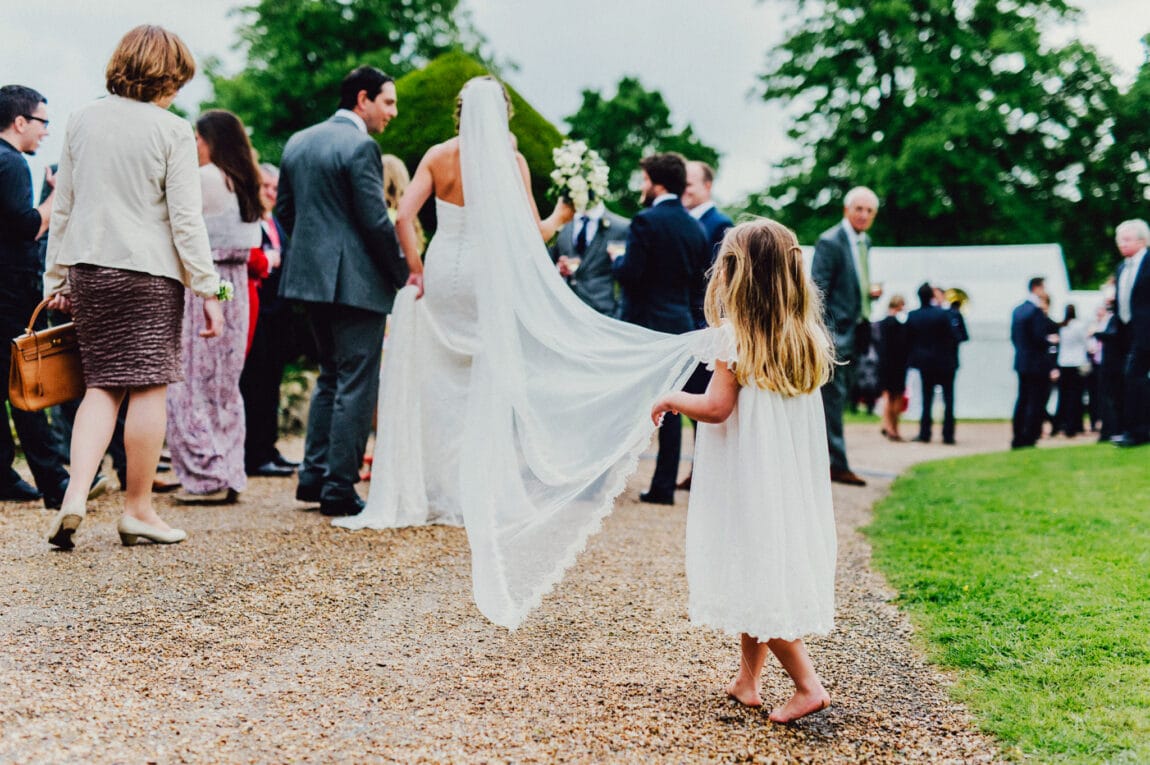
8) Guests won’t notice 90% of what you’re stressing about
This is freeing once you believe it.
You will be aware of everything: the timeline, whether the florist is on schedule, whether the boutonnières arrived, whether your aunt is sitting somewhere weird, whether your shoes are killing you.
Guests are there for a nice experience. They’re not auditing your wedding.
They’ll remember:
- the vibe
- the food
- whether they felt included and comfortable
- whether you looked like you were enjoying yourselves
- whether the day flowed
If you want to improve guest experience, focus on comfort and flow before you focus on aesthetics:
- enough seating
- clear wayfinding if the venue is confusing
- food arriving when people are hungry
- a timeline that doesn’t leave people awkwardly waiting around
- music that suits the room
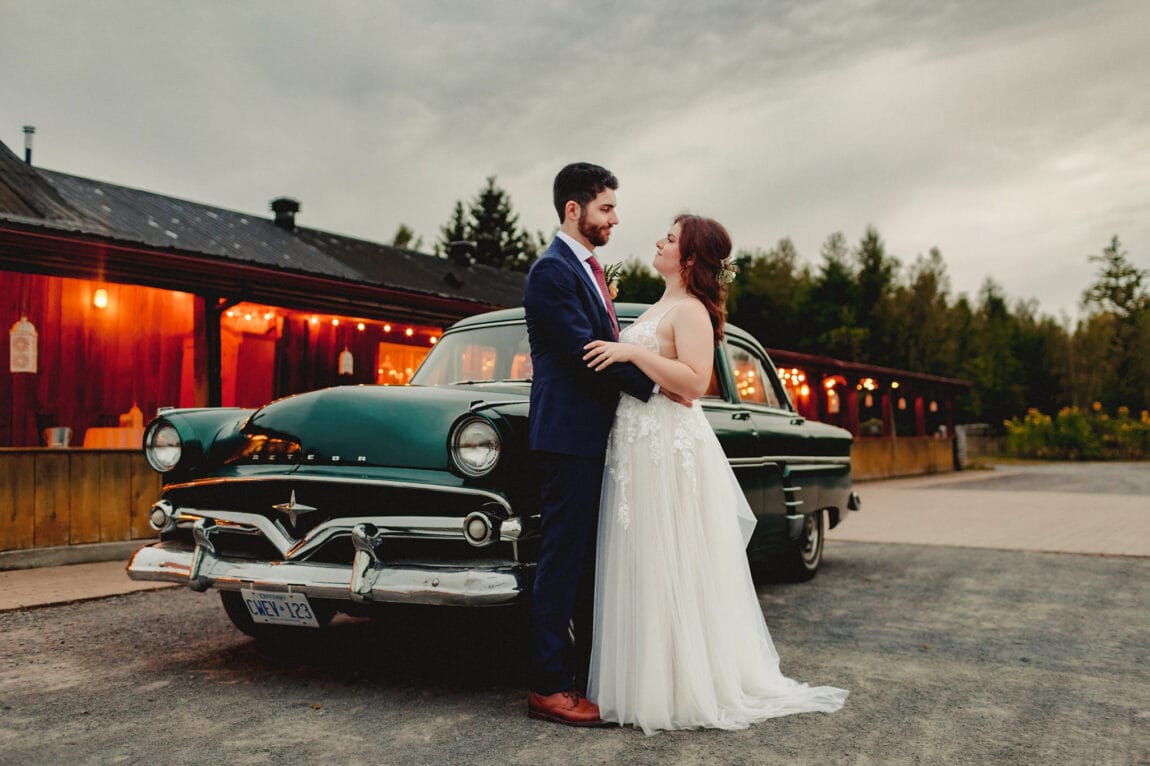
9) Something small will go wrong, and you’ll be fine if you’re not the one solving it
Boutonnières break. Weather changes. A vendor runs late. Someone forgets something. Someone brings the wrong something. A family member suddenly needs a pep talk. Montreal traffic decides it has plans.
None of that automatically ruins the day.
The weddings that stay calm have two things in common:
- there’s some flexibility built in (time buffer, small budget buffer, extra hands)
- the couple isn’t the problem-solving team
If you can hire a day-of coordinator, great. If you can’t, appoint a calm, capable person to be the point person and make sure vendors know to talk to them, not you.
You’re allowed to be unreachable on your wedding day.
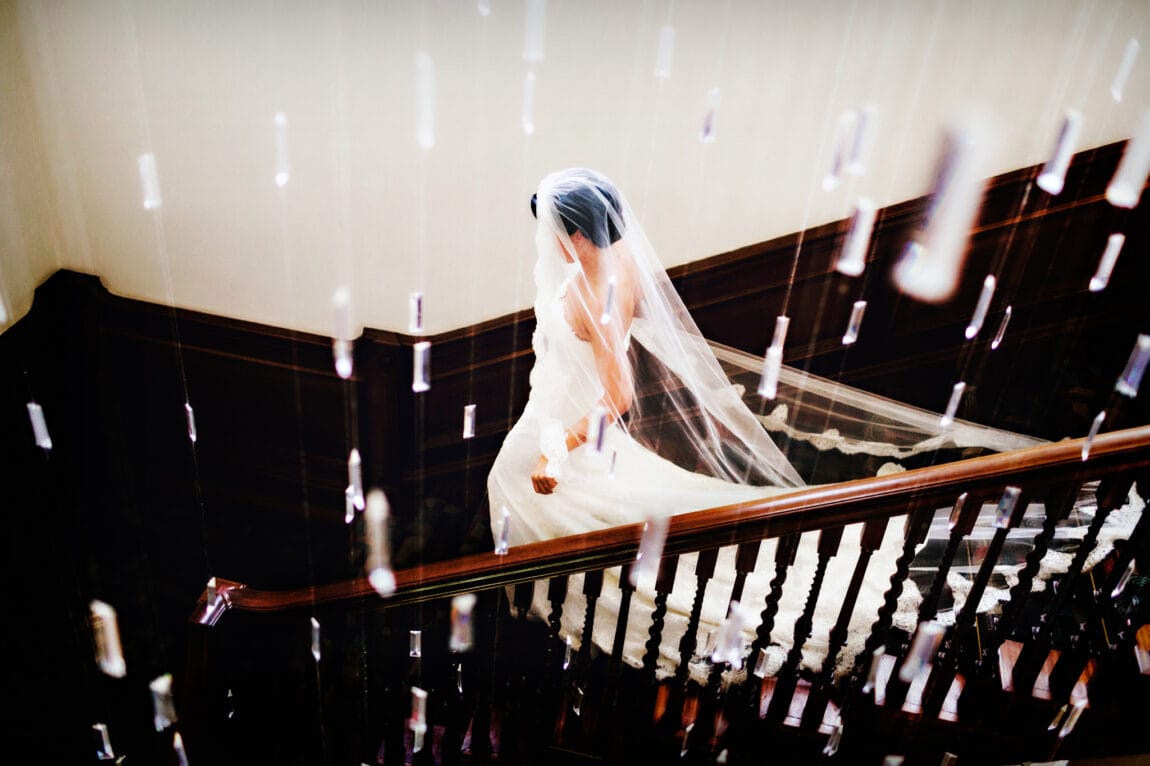
10) Your wedding is not a photoshoot, not a performance, and not a family reunion you’re hosting
This is the one I wish couples protected more fiercely.
Weddings can slowly turn into productions: shot lists, tight schedules, pressure to do everything “right”, pressure to please everyone, pressure to be emotional at the correct times, pressure to make it “worth it”.
But the heart of it is simple. You’re committing to each other, in front of people you care about, and then you’re celebrating.
If you want to protect your experience, here are a few small moves that make a big difference:
- Take five minutes alone together after the ceremony. Not for photos. Just to breathe.
- Eat something during cocktail hour. Actual food.
- Make family photos efficient: have a list, have someone organise people, keep it moving.
- If you’re doing speeches, keep them short and tell people that up front. Everyone thinks they’ll be the exception.
- If you care about sunset photos, plan for them. If you don’t, don’t force it because someone online said you “have to”.
And if you’re nervous about being the centre of attention, you’re not alone. A lot of people feel that way. The funny part is that most guests are just happy to be there, and they’re rooting for you.
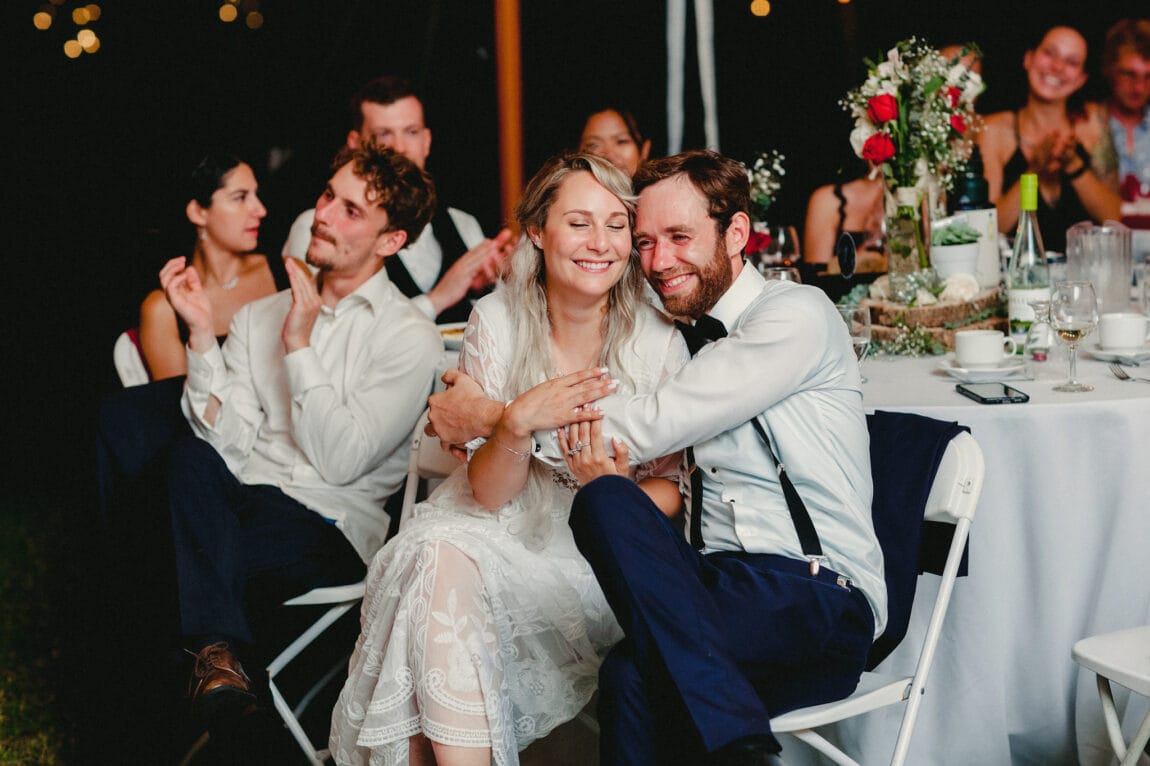
So what makes a wedding feel “perfect” in real life?
It’s rarely the décor.
It’s usually:
- you made decisions that actually fit you
- you had enough breathing room to stay present
- you weren’t trying to do everything at once
- you delegated the chaos so you could enjoy the good parts
- you treated yourselves like humans, not props
If you do that, the photos get better too, because people look like themselves when they’re relaxed.
Pick your priorities. Plan solidly. Build in buffers. Hand off the day-of questions to someone else. Then show up and be there.
And if you’re looking for a wedding photographer, you know where I am!
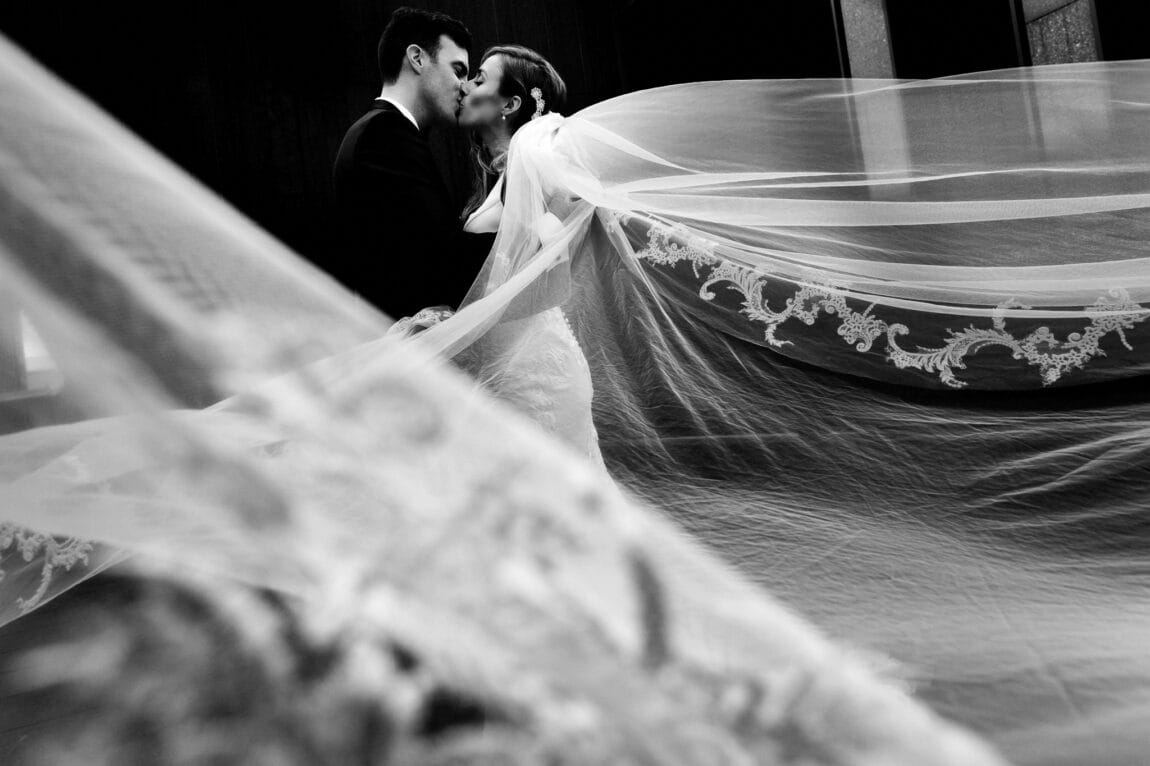
All photos – Steve Gerrard Photography
Further Reading
WHAT YOUR WEDDING PHOTOGRAPHER WISHES YOU KNEW: ADVICE FROM 500+ WEDDINGS
Happy Kids, Happy Guests — Wedding Nanny Montreal
Meet Nadine from Topaz Planification – The Wedding Planner Who Brings Your Vision to Life


